

Not terribly long ago, I partnered with AEI Press to revive a lost classic book, Government Project by the great social scientist Edward C. Banfield (1916-1999). The book was published in 1951, and had been out of print for decades.
My passion for the book started around 20 years earlier. I had read the book and been stunned by its brilliance and wisdom. I wrote an essay about it for Public Administration Review, which was published in 2009. It was all well and good to call attention to it, however, doing so was of limited utility. Used copies of Government Project were exceedingly difficult to find.
Kosar on Congress and Governance is a reader-supported publication. To receive new posts and support my work, consider becoming a free or paid subscriber.
In 2020 I joined the American Enterprise Institute and not long afterward I floated the idea of republishing the book. Thankfully, my boss, Yuval Levin, saw merit in my idea and greenlighted the effort.
AEI Press’s Sarah Bowe and Rosalie Blacklock led the effort to bring the project to fruition. They took a faded PDF of the original book and transformed it into a handsome new paperback with an eye-catching cover. I contributed a new preface, but otherwise the text remains exactly as Ed Banfield wrote it. The book was released in December of 2024, and immediately drew attention and positive reviews. The Wall Street Journal ran a glowing review and also deemed it one of the “best politics books” of 2025.
So what is Government Project about?
The book is a detailed case study of a New Deal–era experiment: the rise and failure of the Casa Grande Valley Farms project, a federally sponsored cooperative farm in Arizona. Banfield’s telling of the farm’s story is interesting in and of itself, but he also uses it to ponder broader questions about government intervention, human behavior, and the limits of government planning.
The farm was launched in 1937 by the U.S. government during the Great Depression. The initiative, overseen by the Farm Security Administration (FSA), aimed to alleviate rural poverty by resettling migrant laborers and “Dust Bowl” refugees onto a large cooperative farm in Pinal County, Arizona. The government provided land, housing, equipment, and organizational structure, with the goal of transforming impoverished laborers into stable, self-sufficient farmers.
At first glance, the project went well. The government invested heavily—over $1 million—and ensured that the farm was well-equipped and professionally managed. Families who came to Casa Grande experienced immediate improvements in their living conditions: they had better housing, more stable income, and access to modern agricultural resources. For several years, the farm even achieved a degree of financial success, producing crops and generating revenue.
Then the project collapsed in its seventh year (1943). Many of the participating families left with little to show for their efforts. This outcome shocked government officials, who believed they had designed and implemented the program effectively. Certainly it dismayed Banfield, who had worked for Franklin D. Roosevelt’s administration and was enthusiastic about government planning.

Government Project attempts explain why a project that seemed materially successful collapsed socially and institutionally. Banfield drew upon various fields of study: public administration, political analysis, sociology, economcis, and philosophy.
A key theme in his analysis is the difficulty of organizing human cooperation. The Casa Grande project was structured as a cooperative, meaning that land, equipment, and profits were collectively owned and managed. While this model was intended to promote fairness and shared responsibility, it instead generated persistent conflict. Residents disagreed over leadership, work expectations, wages, and decision-making authority. Feuds erupted among the settlers, often based on differences in background, experience, or perceived status.
Banfield emphasizes that these conflicts were not primarily due to technical or administrative failures. In fact, he argues that the project was competently managed and well funded.
Instead, the root causes lay in social dynamics and human motivations. Individuals sought status, autonomy, and control, often at the expense of collective goals. Disputes over seemingly minor issues—such as wage adjustments or work assignments—escalated into broader struggles for power.
Many settlers were accustomed to independent or semi-independent work. The farm required them to follow rules and decisions imposed by managers or committees, which led to resentment. Even though participants were materially better off than before, they often felt dissatisfied because they lacked a sense of ownership and personal control.
Politics erupted, and life on the farm became riven by a “ceaseless struggle for power.” Factions formed. One group was hostile to the FSA’s direction of the farm; another gaggle of settlers were favorable to government management. The rest of the settlers were put off by the politicking and did not want to be othered by either faction.
Banfield also highlights that Casa Grande’s denizens’ rising expectations led to disappointment. The project raised the material well-being of the settlers very quickly and ultimately promised them both self-determination and even greater prosperity. When these expectations were not fully met—or when progress required continued cooperation and discipline—disillusionment set in. Additionally, the social stigma associated with government aid contributed to dissatisfaction. Some settlers viewed the project as a form of “relief” or dependency, which conflicted with their desire for self-reliance.
A striking finding of the book is its argument that material incentives alone are insufficient to ensure success in social programs. Although the government provided resources, infrastructure, and opportunities, these did not overcome deeper issues related to human behavior, culture, and social interaction. Effective cooperation depends on shared norms, trust, and willingness to subordinate individual interests to collective goals. The settlers were mostly strangers to one another. No religious or social bonds united them and gave them the faith that they were in this endeavor together and could rely on one another. They lacked trust and social capital.
Beyond the specific case, Government Project offers a broader critique of ambitious government planning. Banfield portrays the project as part of a larger “experiment” in modern society: the attempt to organize social and economic life through rational, centralized planning. While he does not dismiss such efforts entirely, he is skeptical of their ability to succeed, especially when they involve the government attempting to reshape humans’ beliefs and resultant behavior.
The book also underscores the complexity of public administration. Policies that appear logical and well-designed on paper may encounter unforeseen challenges when implemented in real-world settings. Banfield demonstrates how political pressures, bureaucratic decisions, and interpersonal conflicts interact in unpredictable ways, undermining even the best-intentioned programs.
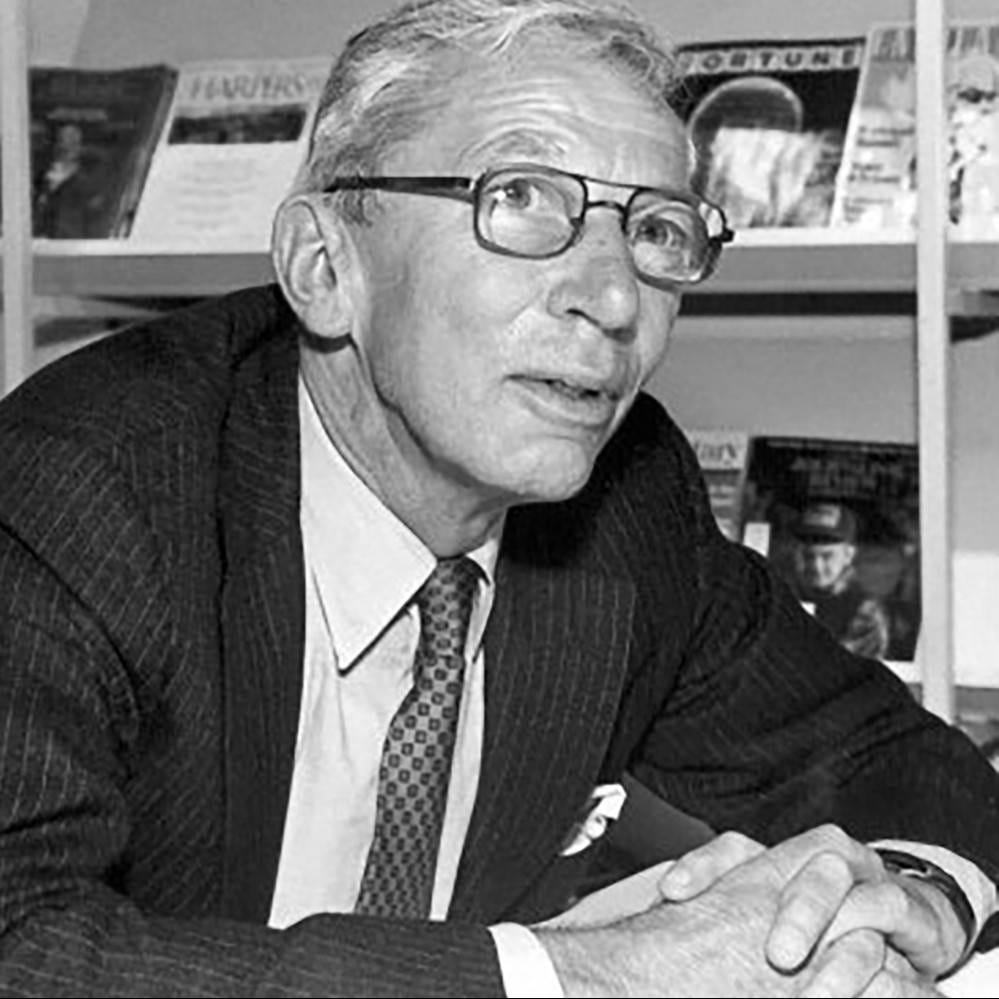
In conclusion, Government Project is both a narrative and an analytical study of a failed social experiment. Through the story of Casa Grande Valley Farms, Banfield illustrates the limits of government intervention in addressing poverty and reshaping communities. The book’s central lesson is that human factors—such as conflict, ambition, and resistance to control—can be more decisive than economic resources or administrative efficiency. As a result, it remains a significant work in political science and public policy, offering a cautionary perspective on the challenges of using government programs to engineer social change.
Rex Tugwell, the government executive who approved the Casa Grande project and was saddened by the farm’s collapse, reviewed Banfield’s draft manuscript of Government Project. “This account is as complete as it could be made,” he wrote. “It is not a nice story…. We can see in it many lessons if we will.”
That is true. Many readers already have read this no-longer lost classic book and enjoyed it. I hope many more readers will add it to their reading list and acquire copies. Certainly anyone who aspires to be in politics or participate in governance would benefit from its wisdom. I certainly have.
Kevin R. Kosar (@kevinrkosar) is a senior fellow at the American Enterprise Institute. He has written the preface to AEI Press’s republications of Edward C. Banfield’s Government Project (2024) and The Unheavenly City Revisited (2025).
 Edward C. Banfield, An Online Resource